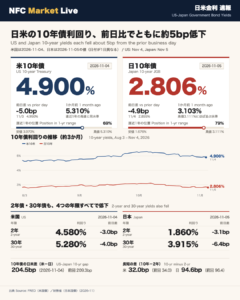
📺 Watch the Full Video Analysis
This article was automatically generated by the NFC Market Live AI analysis system. (Updated: 2026-11-06 09:08 JST)
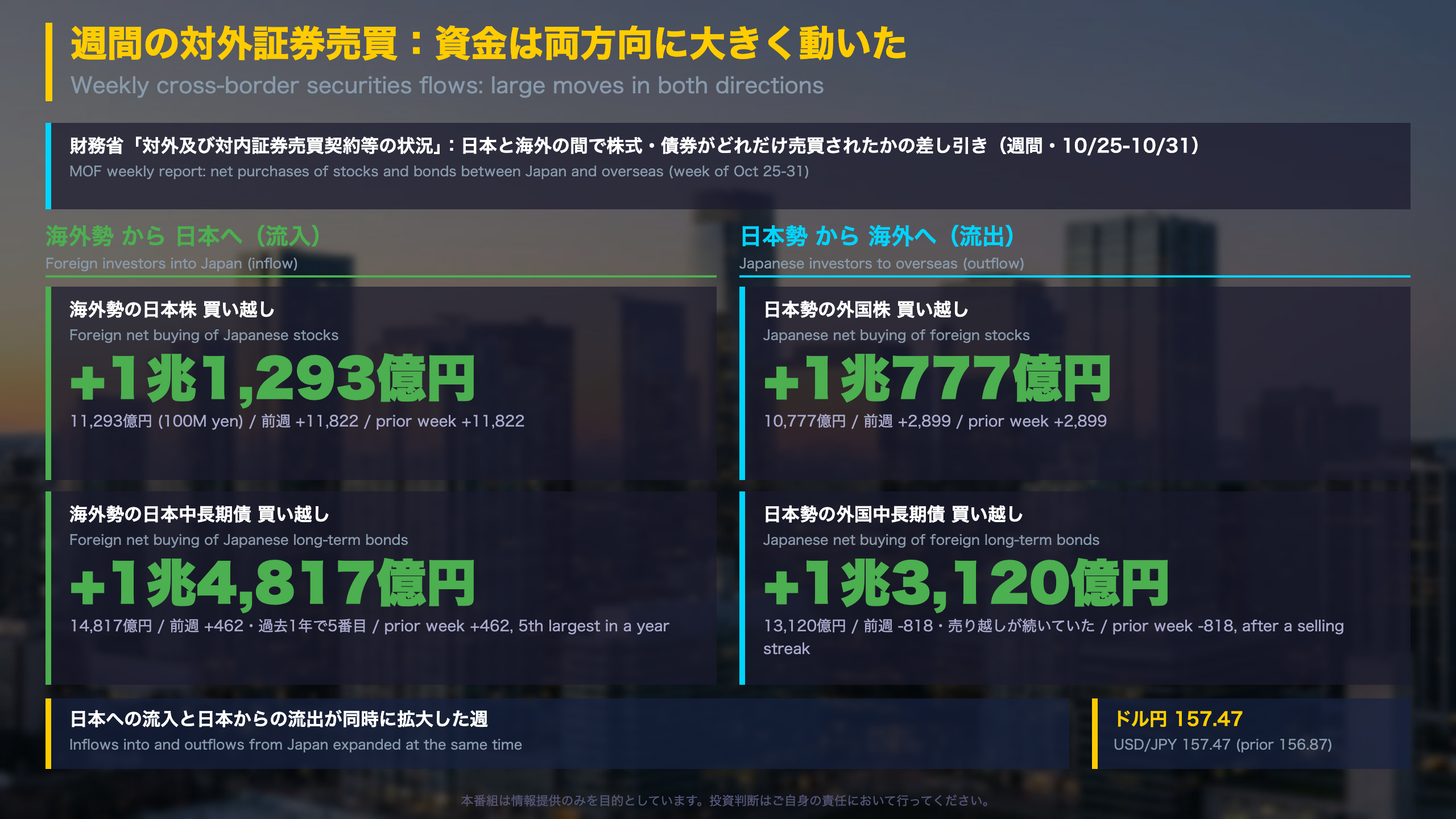
📊 Japan’s Ministry of Finance released weekly cross-border securities data on Nov 6 (week of Oct 25-31).
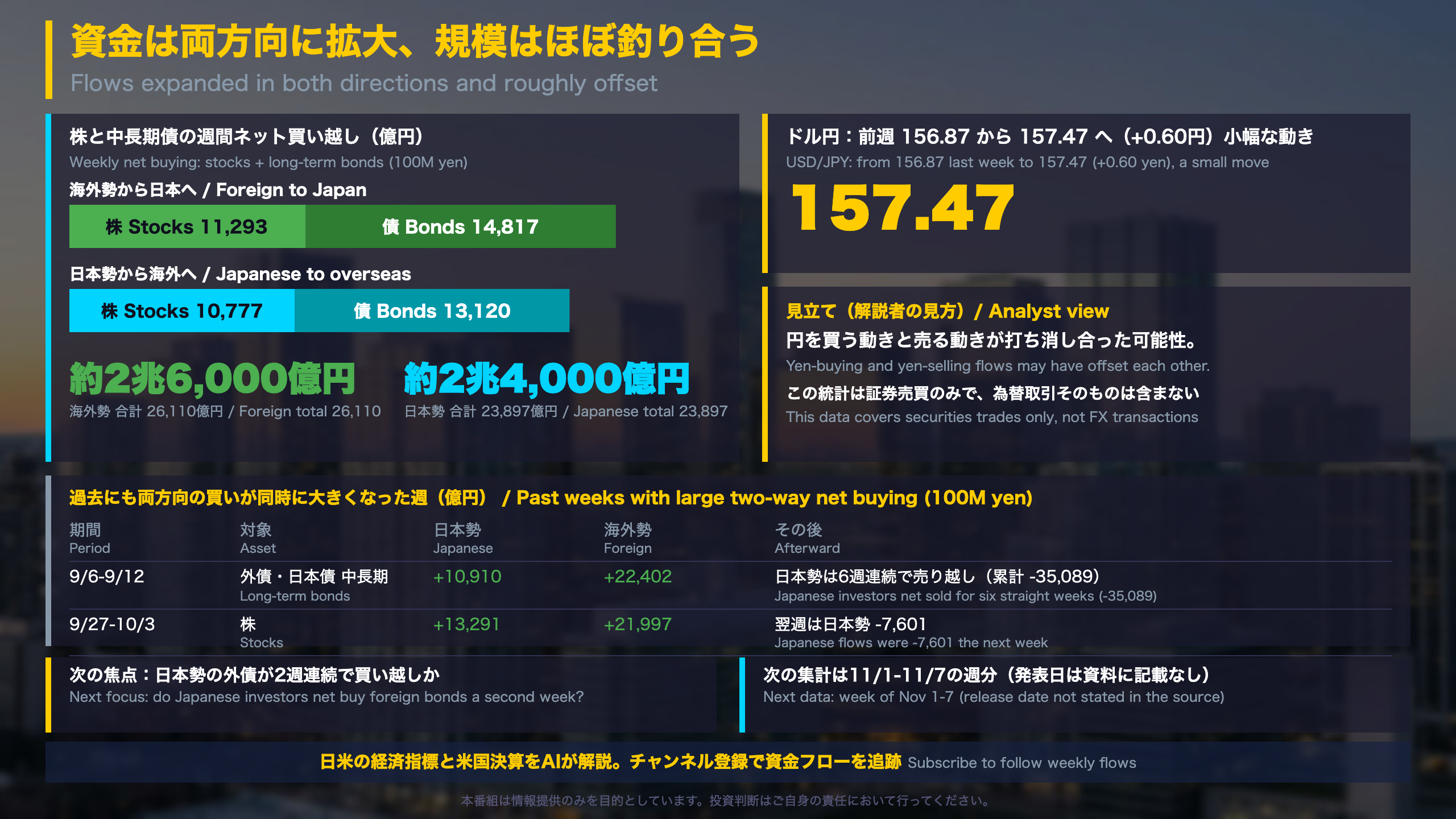
📈 Foreign investors net bought 1,129bn yen of Japanese stocks and 1,482bn yen of long-term bonds.
💹 Japanese investors net bought 1,078bn yen of foreign stocks and 1,312bn yen of foreign long-term bonds, reversing six weeks of net selling in the latter.
⚠️ Flows ran large in both directions and roughly offset; USD/JPY was 157.47. One week of data is not yet a trend.
💡 Next: the week of Nov 1-7.
今週の全体像:資金は両方向に大きく動いた
What this report is
Japan’s Ministry of Finance (MOF) publishes weekly figures on cross-border securities transactions. They show net purchases of Japanese stocks and bonds by non-residents (foreign investors) and net purchases of foreign securities by Japanese residents. It is the weekly counterpart to the US Treasury’s monthly TIC data, but it is based on trade contracts and arrives much faster.
The week at a glance (100M yen)
- Foreign investors: Japanese stocks +11,293; long-term bonds +14,817; short-term bonds +8,747.
- Japanese investors: foreign stocks +10,777; foreign long-term bonds +13,120; foreign short-term bonds -2,093.
- USD/JPY: 157.47, up from 156.87 the prior week.
Details the video skipped
Short-term bond flows are extremely noisy: the past year ranged from -44,514 to +35,949 in single weeks, so the +8,747 reading says little by itself. Last week’s figures were also revised (for example, foreign long-term bond buying from +433 to +462, and Japanese foreign long-term bond flows from -926 to -818).
Two readings
Constructive: both foreign stock and bond buying topped one trillion yen, pointing to solid demand for Japanese assets.
Cautious: Japanese buying of foreign bonds follows six straight weeks of net selling, so one week is not a reversal.
This is a description of flows, not a forecast. The next release covers Nov 1-7.
海外勢:日本株・中長期債をともに大幅買い越し
Foreign flows into Japan: the longer view
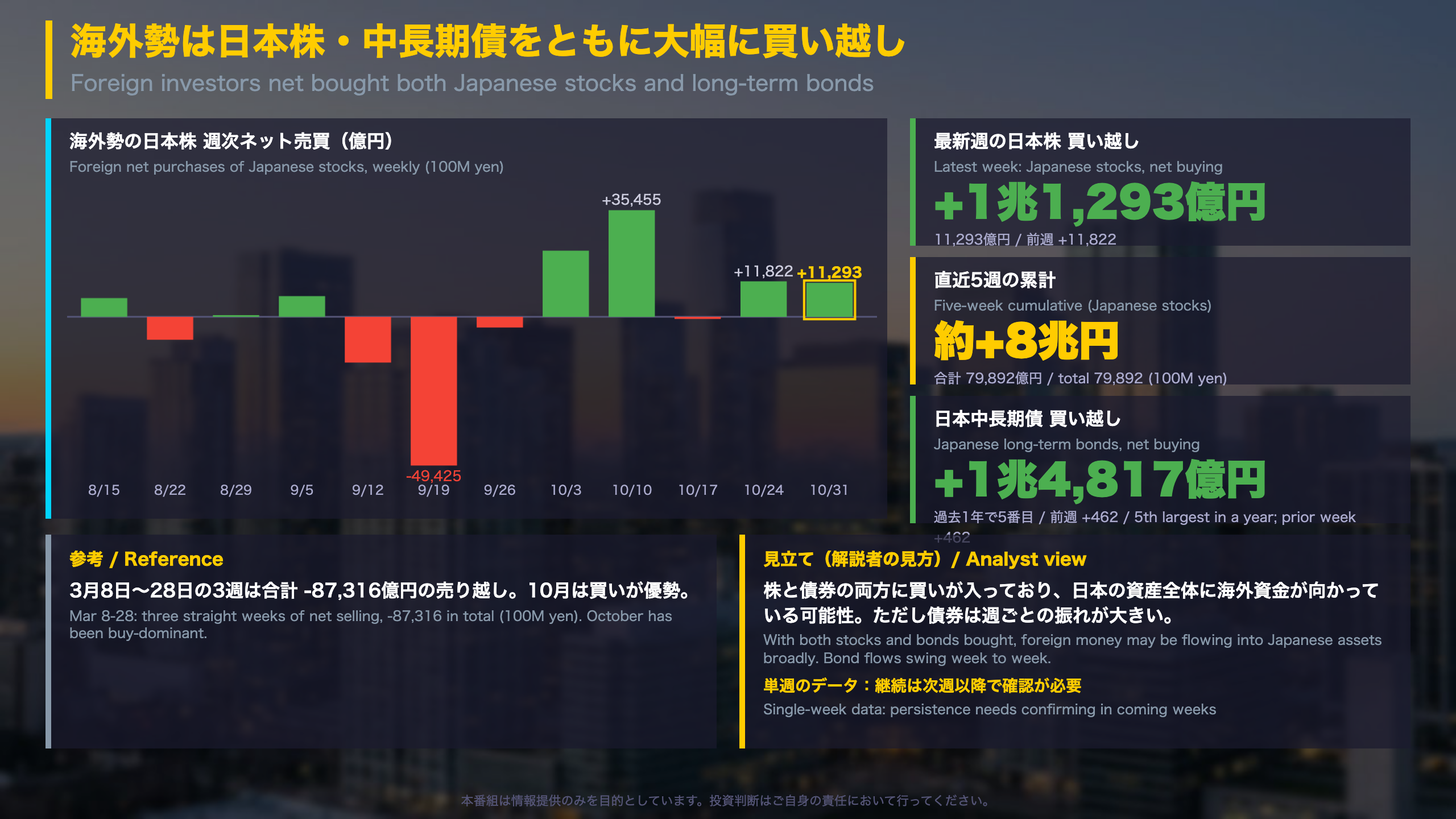
The MOF series records net purchases by non-residents. Here is how the latest week compares with the past year (100M yen).
Key episodes in Japanese stocks
- Mar 8-28: three straight weeks of net selling, totaling -87,316.
- Mar 29-Apr 18: three weeks of net buying, totaling +92,749.
- Week to Sep 19: -49,425, the largest weekly outflow of the past year.
- Week to Oct 10: +35,455, the second-largest weekly inflow.
- Latest five weeks: +79,892 in total.
An alternative reading
The eight-trillion-yen headline includes a rebound from the September selling. Counting from the week to Sep 19, the seven-week total is only about +26,925. A skeptic could say the net build-up is smaller than the five-week figure suggests. A constructive reader would point out that four of the last five weeks were net buys.
Bonds
Foreign net buying of Japanese long-term bonds was positive in all five of the last weeks (+6,081, +10,802, +14,543, +462, +14,817), about +46,705 in total. One of those weeks was small, so bond demand is less steady than the stock flow.
Context and what to watch
This is the Japanese counterpart to US TIC data, but weekly. It covers trade contracts, not currency moves. The Bank of Japan’s policy stance and global risk appetite are often cited background factors, but the source report gives no explanation. The next data point is the week of Nov 1-7.
日本勢:外債は6週連続の売り越しから買い越しへ
Japanese outward investment: a volatile series
This part of the MOF report tracks Japanese residents’ net purchases of foreign securities, a key channel through which household and institutional savings leave Japan.
How wide the swings are
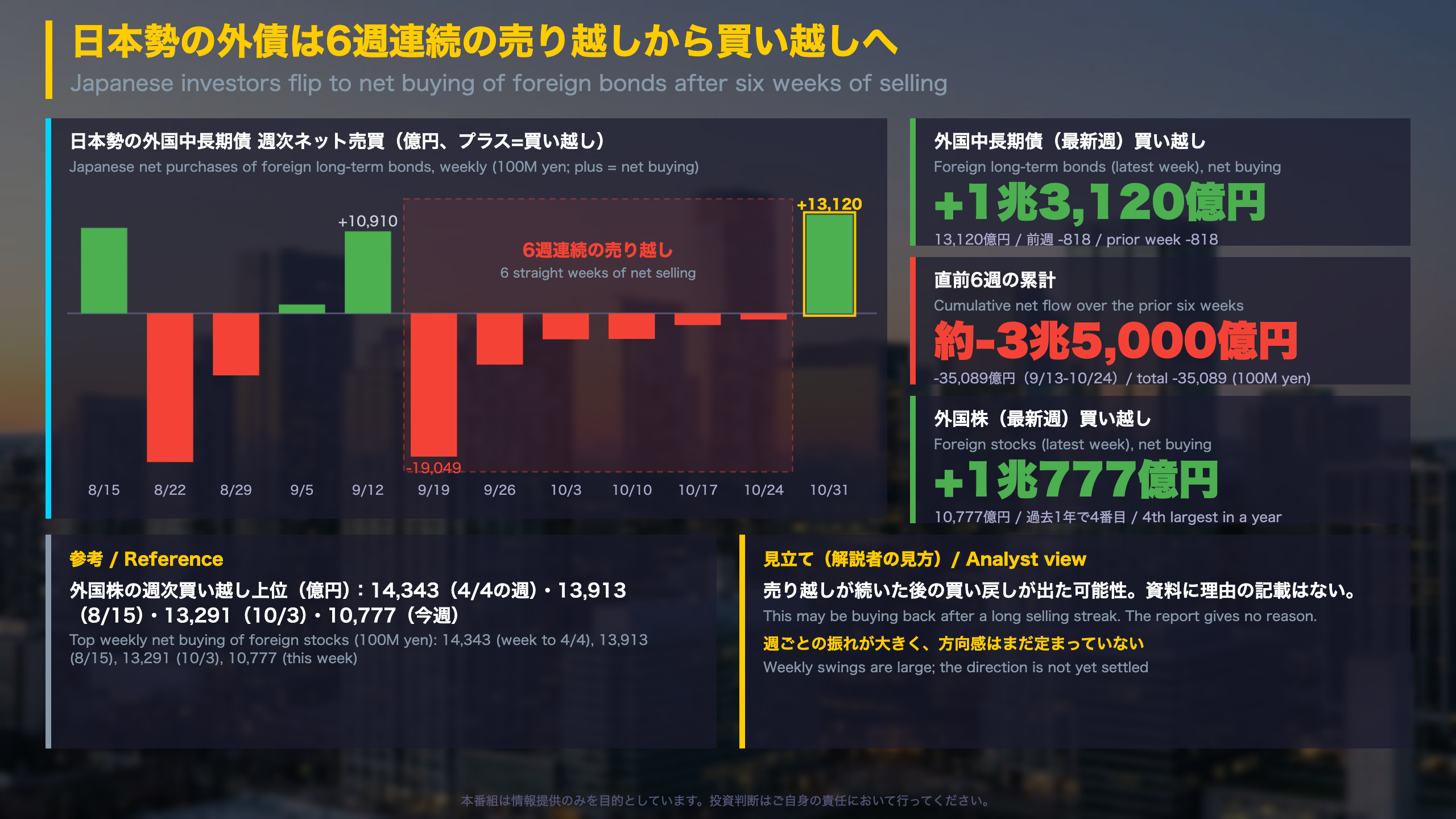
Weekly net buying of foreign long-term bonds has ranged from -24,789 (week to Apr 4) to +24,064 (week to May 2), in 100M yen. In the week to May 2, foreign stocks moved the opposite way at -24,252, so the two asset classes do not always move together.
The six weeks before this one (100M yen)
- Sep 19: -19,049
- Sep 26: -6,823
- Oct 3: -3,445
- Oct 10: -3,399
- Oct 17: -1,555
- Oct 24: -818
- Total: -35,089
Selling shrank every week, so the latest net buying can also be read as a continuation of a fading trend.
Short-term bonds
Foreign short-term bonds saw small net selling of 2,093 after +2,347 the prior week.
Two readings
Constructive: after shrinking sales, buying returned and foreign stocks also topped one trillion yen.
Cautious: a similar +10,910 week to Sep 12 was followed by six weeks of net selling.
Caveat
The data does not show whether purchases were currency-hedged, so it cannot tell us whether yen was sold. The source report gives no reason for the shift.
質疑:為替への影響と、この動きは続くのか
Reading the yen link with care
Where USD/JPY stands
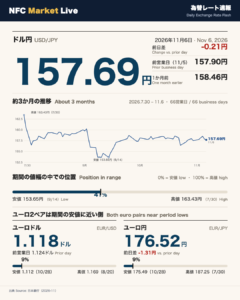
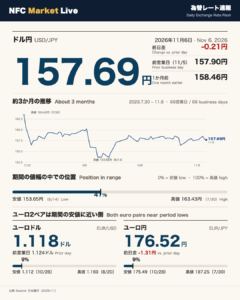
USD/JPY moved from 156.87 to 157.47 (+0.60 yen). Over the past year it has ranged from 152.77 (week to Feb 14) to 163.71 (week to Jul 25), so it sits mid-range. For comparison, it fell from 163.71 to 159.16 in the single week after Jul 25. This week’s move is small.
Combined flows (100M yen)
| Stocks | LT bonds | Total | |
|---|---|---|---|
| Foreign into Japan | 11,293 | 14,817 | 26,110 |
| Japanese into foreign | 10,777 | 13,120 | 23,897 |
The gap is about 2,213, so the two flows nearly offset. In principle, foreign purchases of Japanese assets involve buying yen, while unhedged Japanese purchases of foreign assets involve selling yen. But the data does not show hedging, trade flows or direct investment, so it cannot explain the exchange rate on its own.
Precedents
- Week to Sep 12 (bonds): Japanese +10,910, foreign +22,402. Japanese investors then net sold for six straight weeks.
- Week to Oct 3 (stocks): Japanese +13,291, foreign +21,997. The following week Japanese flows were -7,601.
Market context and what to watch
US-style TIC data would show similar flows from the US side, but only monthly. For this weekly series, the question is whether Japanese net buying of foreign long-term bonds lasts a second week. The next data covers Nov 1-7; the release date is not stated. This is not a market forecast.
Disclaimer: This article is for informational purposes only. All investment decisions are made solely at your own risk.